- +52 (552) 304-7520
- +52 (998) 303-0906
- info@eliteclinicalconcierge.com

Hair loss usually doesn’t happen overnight, it starts slowly, a slightly wider hairline, less volume on the crown, or thinning areas that become more noticeable over time, and that’s usually the moment when people start looking for real hair restoration options that look natural and don’t feel “overdone” or artificial.
When comparing FUE vs FUT vs DHI, the difference is not just the name of the technique, it’s how the hair follicles are taken, how they are placed, how the scalp heals, and how natural the final result looks, some people care more about fast recovery, others need more coverage because of advanced androgenic alopecia, and others are focused on achieving a more precise and dense frontal hairline.
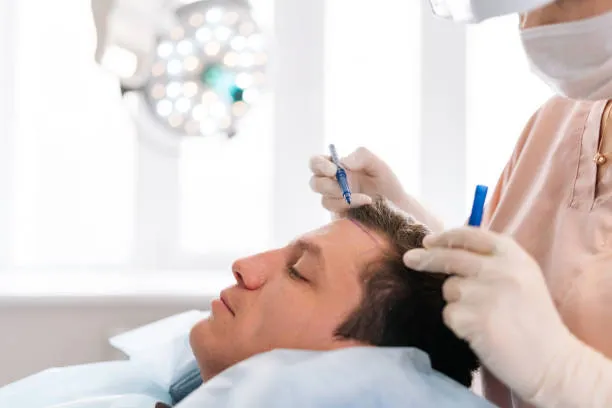
A hair transplant is a procedure where healthy hair follicles are taken from a donor area, usually the back or sides of the scalp, and implanted into areas where hair has thinned or been lost, this process is called hair grafting, and it’s done carefully so the new hair grows in the same direction and blends naturally with the existing hair.
This type of hair restoration is commonly used for genetic hair loss, receding hairlines, and general thinning, and the goal is not just to “add hair,” but to rebuild density in a way that looks natural in real life, not just in photos.
DHI (Direct Hair Implantation) is a more precise method where hair follicles are implanted directly into the scalp using a special pen-like tool, without creating channels first, which gives more control over angle, direction, and depth.
This is one of the reasons it is often chosen for the frontal hairline, where small details make a big difference in how natural the result looks, especially when comparing FUE vs. FUT vs. DHI hair transplant differences.
Compared to FUE, DHI is usually more detailed and slower, but the benefit is a more controlled placement, which can help improve the overall design and visual Hair Density in targeted areas.
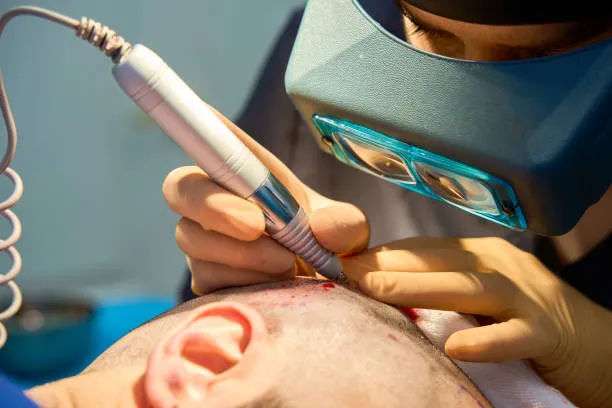
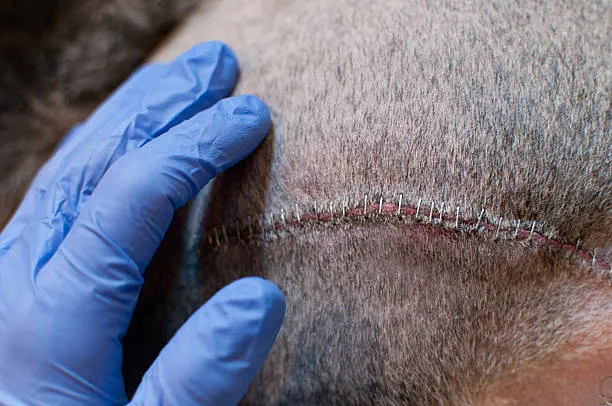
The main difference between these techniques comes down to how the hair follicles are extracted and how they are implanted.
FUE is less invasive and heals faster, FUT allows more grafts in one session but leaves a linear scar, and DHI focuses more on precision and controlled placement for a more refined look.
When people search for the Best hair transplant technique, the truth is there isn’t a single answer, it depends on how much hair loss there is, what the donor area looks like, and what kind of result feels realistic for each person.
FUT usually leaves a visible linear transplant scar, while FUE and DHI leave very small dot-like marks that tend to fade over time.
Still, scarring is not only about the technique, it also depends on healing, skin type, and aftercare, some people heal almost invisibly, while others may notice slightly more visible marks depending on how their body responds.
Hair Density depends on planning more than just the technique, but DHI can help place hair follicles with more precision, which sometimes creates a fuller look in specific areas like the hairline.
That said, density also depends on donor quality and how evenly grafts are distributed, not just how many are implanted in one session.
Most patients with androgenic alopecia are candidates, especially when hair loss has stabilized and there is still a healthy donor area available.
The key is realistic expectations, the goal is not to create “new hair”, but to restore balance and improve density in a natural-looking way that fits the face and age.
Before choosing between FUE, FUT, or DHI, it’s important to consider recovery time, budget, level of hair loss, and how natural the final result needs to look in daily life.
The doctor’s evaluation also matters a lot because not every technique works the same for every patient, and the donor area often determines what is realistically possible.
Choosing a technique is not about picking the “best one on paper,” it’s about what fits your hair, your goals, and your lifestyle in a realistic way.
It’s a decision that becomes much clearer once the scalp is properly evaluated and expectations are aligned with what can actually be achieved over time
A proper consultation makes all the difference, because every case is unique and the approach should always be personalized rather than general.
For a detailed evaluation and professional guidance on hair restoration options, Elite Clinical Concierge can help you understand which technique fits your specific case and expected results.